How to Value Your Comic Collection in Canada (Without Getting Ripped Off)
Knowing what your comics are really worth can be tricky — especially in Canada, where shipping costs, grading fees, and exchange rates can distort true value.
Whether you’re sitting on long-held Silver Age issues or a few modern keys you’re curious about, learning how to value your comic collection in Canada is a must-have skill for any collector.
Disclaimer: This article is for informational purposes only and does not constitute financial advice.
1. Start with Condition — The Biggest Factor in Comic Value
The first rule of valuation: condition drives price.
A near-mint copy of a key issue can be worth 10 times the same book in fine condition.
How to assess condition:
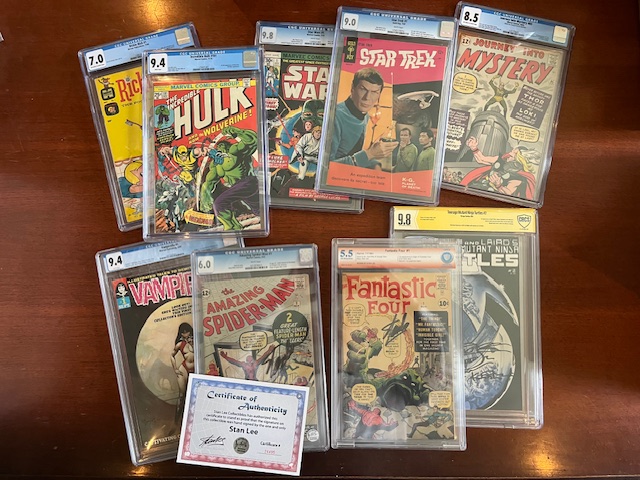
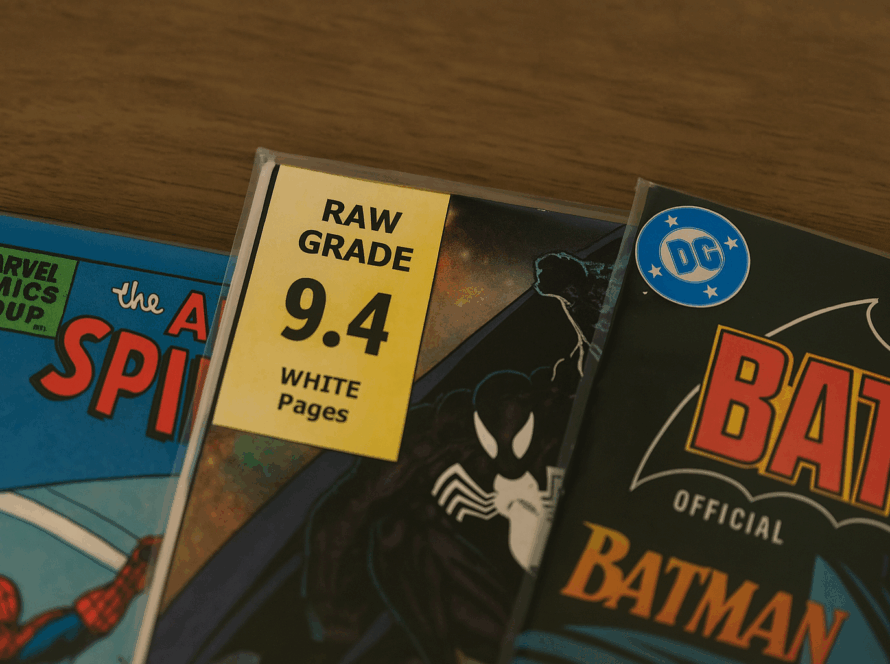
Compare against CGC’s grading scale (0.5–10.0).
Look for spine ticks, corner wear, discoloration, and page quality.
Consider a press & clean before grading if defects are minor.
If you’re unsure, reference graded examples on eBay or GoCollect for a visual benchmark.
(You can also view certified examples from Canadian sellers on Invest Comics Canada to see how condition affects pricing.)
2. Use Verified Market Data — Not Guesswork
Don’t rely on “asking prices.” Use sold data.
The best sources include:
| Platform | Use Case |
|---|---|
| eBay Sold Listings | Quick snapshot of real-world sales |
| GoCollect | CGC sales averages & price trends |
| GPA Analysis | Historic graded sales data |
| Heritage Auctions | High-end grails & verified records |
💡 Tip: Compare at least 5–10 recent sales in similar grade before drawing conclusions.
3. Factor in Canadian Market Adjustments
The Canadian comic market operates slightly differently:
Prices are often quoted in USD but paid in CAD.
Import fees + shipping can add 15–25 %.
Domestic buyers prefer local shipping to avoid customs delays.
This means a “$500 USD” book on a U.S. site might realistically cost a Canadian buyer $650 CAD+ landed.
Always convert final costs before valuing your own inventory.
4. Check Grading Population Reports
For graded books, rarity within grade is key.
Check population reports at CGC Comics or CBCS Comics.
A CGC 9.8 with only 200 copies slabbed will command a premium over a book with 1 000+.
Combine this data with recent sales to estimate a realistic valuation range.
5. Understand Pressing and Restoration Impact
A simple press can raise grade —and value— but any restoration (re-coloring, tape, trim) can reduce desirability by 30–70 %.
If you suspect restoration, label it openly and value accordingly.
6. Compare with Similar Canadian Listings
Before setting a price, see what other Canadian collectors are asking.
Platforms like ComicLink, and Invest Comics Canada show realistic pricing for graded books shipped domestically.
This helps you gauge what buyers are actually willing to pay inside Canada’s market.
7. Document Your Collection
Use simple tracking software like CLZ Comics or a spreadsheet to record:
Issue title and number
Publisher and year
Grade (raw or slab)
Purchase price and latest FMV
Sale platform (if resold)
Proper records make insurance, tax, and resale far simpler.
8. When to Get a Professional Appraisal
If your collection contains rare keys or Golden Age issues, consider an official appraisal.
Some options in Canada include:
Certified Appraisers Guild of Canada (CAGC)
Major auction houses such as Heritage and ComicLink for valuation letters
Local collectibles appraisers specialized in pop culture memorabilia
An appraisal provides a formal replacement value for insurance and estate planning.
9. Stay Informed on Market Trends
Values change fast. Track monthly sales on GoCollect, follow collector forums, and keep tabs on new MCU or streaming announcements that drive demand.
10. Final Thoughts
Valuing your comic collection isn’t an exact science — it’s an informed estimate built on data, condition, and demand.
Use verified sources, think long-term, and be realistic about market fluctuations.
This guide is not financial advice — it’s simply to help Canadian collectors make smarter, more informed decisions.
If you’re curious about how your books compare to current market rates, browse verified Canadian listings on Invest Comics Canada for reference pricing and consignment examples.
Check Out Our Shop
Browse rare graded comics, key issues, and curated collections designed for long-term value.