Youngblood #1 Canada: The Issue That Started Image Comics
Youngblood #1 Canada collectors are holding a piece of comic book industry history — not just a key issue, but the single comic that marked the founding of one of the most significant publisher upheavals in the medium’s history.
In 1992, six of Marvel’s most commercially successful artists walked away from the company in a dispute over creative rights and royalties. Todd McFarlane, Jim Lee, Rob Liefeld, Erik Larsen, Marc Silvestri, Jim Valentino, and Whilce Portacio founded Image Comics — a publisher built on the radical premise that creators would own their work.
The first comic Image ever published was Rob Liefeld’s Youngblood #1. That alone gives this issue a historical significance that exists entirely independent of the series itself.
A Publisher's Origin Story in a Single Issue
To understand why Youngblood #1 Canada carries the weight it does, the context of 1992 comics publishing is essential.
Marvel and DC had operated as the dominant duopoly in American comics for decades. Creator ownership was essentially nonexistent — characters, stories, and artwork produced for either publisher belonged to the publisher. The seven artists who left Marvel didn’t just start a new company. They fundamentally challenged the ownership model that had defined the industry.
Image Comics went on to publish Spawn, WildC.A.T.S, Savage Dragon, Witchblade, and eventually The Walking Dead and Saga — two of the most culturally significant comics of the modern era. Every single one of those titles traces its publishing lineage back to the founding moment that Youngblood #1 represents.
For collectors who think in terms of historical significance, this issue is the origin point of an entire publishing philosophy.

Youngblood #1 Canada: The Variants and What Collectors Know
Youngblood #1 Canada exists in several versions and understanding the differences is essential for any collector evaluating a copy.
The issue was published with multiple cover variants — a standard newsstand edition, a direct edition, and a coupon variant. The coupon variant, which includes an order coupon intact on the interior, is the version most scrutinized by collectors. A copy with the coupon present and uncut is considered more complete and is generally valued accordingly.
There is also a bagged edition that was sold with a trading card — another variant distinction that affects collector valuation. Knowing exactly which version you are looking at matters considerably when assessing any raw copy of this issue.
Pre-orders for the original 1992 release reached approximately 930,000 copies — extraordinary numbers for an independent launch — Youngblood #1 was one of the best-selling independent comics of its era, driven by the enormous commercial profile of Liefeld at the time. High print run means high grade copies are more accessible than many keys of comparable historical significance, but truly pristine unread copies are still far less common than the overall print run suggests.
Rob Liefeld and the Cultural Moment of 1992
Rob Liefeld in 1992 was one of the most commercially powerful artists in American comics. His run on New Mutants and X-Force at Marvel had generated sales numbers that were extraordinary for the era. When he left to co-found Image, his departure was front page news in the comics press.
Youngblood was his flagship title — a superhero team book that leaned fully into the aesthetic of the era: extreme anatomy, heavy crosshatching, oversized weapons, and kinetic action. It was divisive critically but commercially successful in a way that few independent launches had ever been.
Whether a collector appreciates the artistic style or not is largely irrelevant to the issue’s historical standing. Youngblood #1 is the first chapter of a publishing revolution. That fact does not change with taste.

The Canadian Market Perspective on Youngblood #1
For collectors tracking Youngblood #1 Canada availability, independent publisher keys occupy a distinct space from Marvel and DC keys in the market. Image Comics as a publisher has grown enormously in critical and commercial stature since 1992 — its back catalogue of creator-owned titles is now considered among the most important in modern comics history.
That growing institutional respect for Image as a publisher has reflected positively on the historical significance of the founding issue. Canadian collectors sourcing this book domestically avoid the cross-border costs that come with purchasing from American dealers — and for a book where condition grade is everything, avoiding additional handling in transit matters.
What to Look For in a Copy
Youngblood #1 is a 1992 publication on the paper stock typical of that era — a transitional period between newsprint and the heavier glossy stock that became standard later in the decade. Here is what experienced collectors assess:
- Cover colour saturation — The original printing has vivid, saturated colours. Fading or dulling indicates significant age or improper storage
- Spine condition — Roll and stress lines are common on copies that were read or stored improperly. The spine is the first place to examine
- Coupon status — If present, verify whether the interior coupon is intact and uncut, as this affects variant identification and value
- Staple condition — Rust on staples is a common issue on books from this era. Clean, tight staples are a positive condition indicator
- Page browning — Interior pages on books from this period are susceptible to tanning and brittleness. White to off-white pages indicate proper storage history
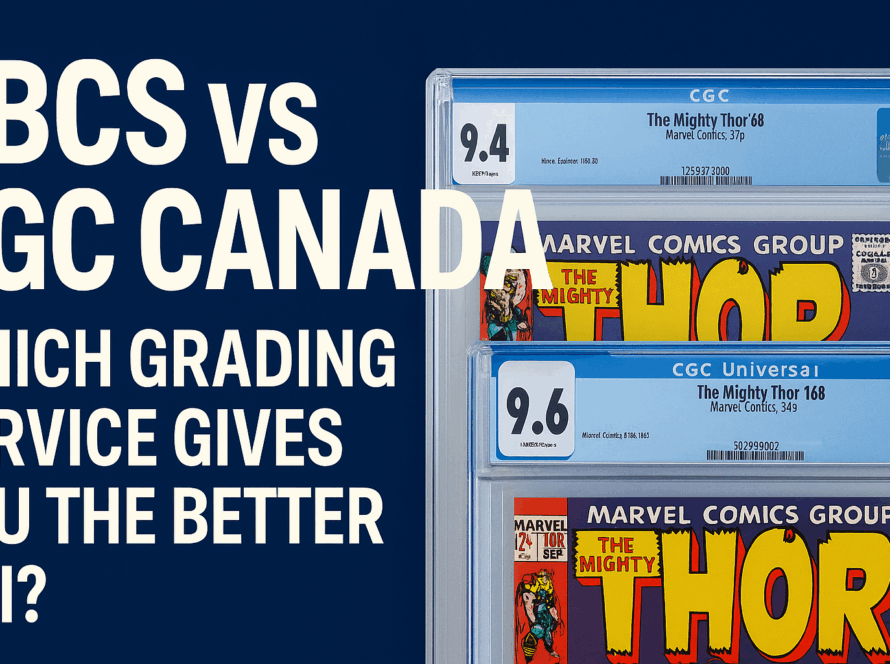
For collectors prioritizing certainty, a CGC or CBCS graded copy provides verified condition and variant identification in a single transaction.
The Issue That Changed the Industry
What makes Youngblood #1 Canada genuinely unique among modern keys is that its significance is not dependent on character popularity, film adaptations, or speculative future media appearances. Its place in collector history is anchored entirely in what it represents — the first published work of a publisher that permanently altered the economics and creative culture of the American comic book industry.
That kind of historical anchoring is rare. Most keys derive their value from character momentum. Youngblood #1 derives its value from an industry moment that cannot be undone or replicated.
For Canadian collectors building a historically grounded collection, this is the kind of issue that belongs in a different conversation from character-driven modern keys — and according to CGC’s comic census, collector engagement with this issue has remained consistent over decades, not cycles.
Invest Comics Canada carries Youngblood #1 from the landmark 1992 Image Comics launch. Our full raw comics selection.